What Is Pick & Pack? A Plain-English Guide for Online Sellers
Pick and pack is the backbone of e-commerce fulfilment — but what does it actually involve, and what should it cost? Here's everything you need to know.
If you've started looking into outsourcing your order fulfilment, you'll have come across the term "pick and pack" pretty quickly. It's one of those phrases that gets used a lot in the logistics world — but it's not always explained clearly.
Here's a straightforward guide to what pick and pack actually means, what it involves, and what you should expect to pay for it.
What Does Pick and Pack Mean?
Pick and pack refers to the process of fulfilling individual customer orders from a warehouse or storage facility. It breaks down into two stages:
Picking is the process of locating and retrieving the correct items from storage. When a customer places an order, someone (or in large operations, a robot) goes to the relevant shelf, finds the right product in the right quantity, and brings it to the packing area.
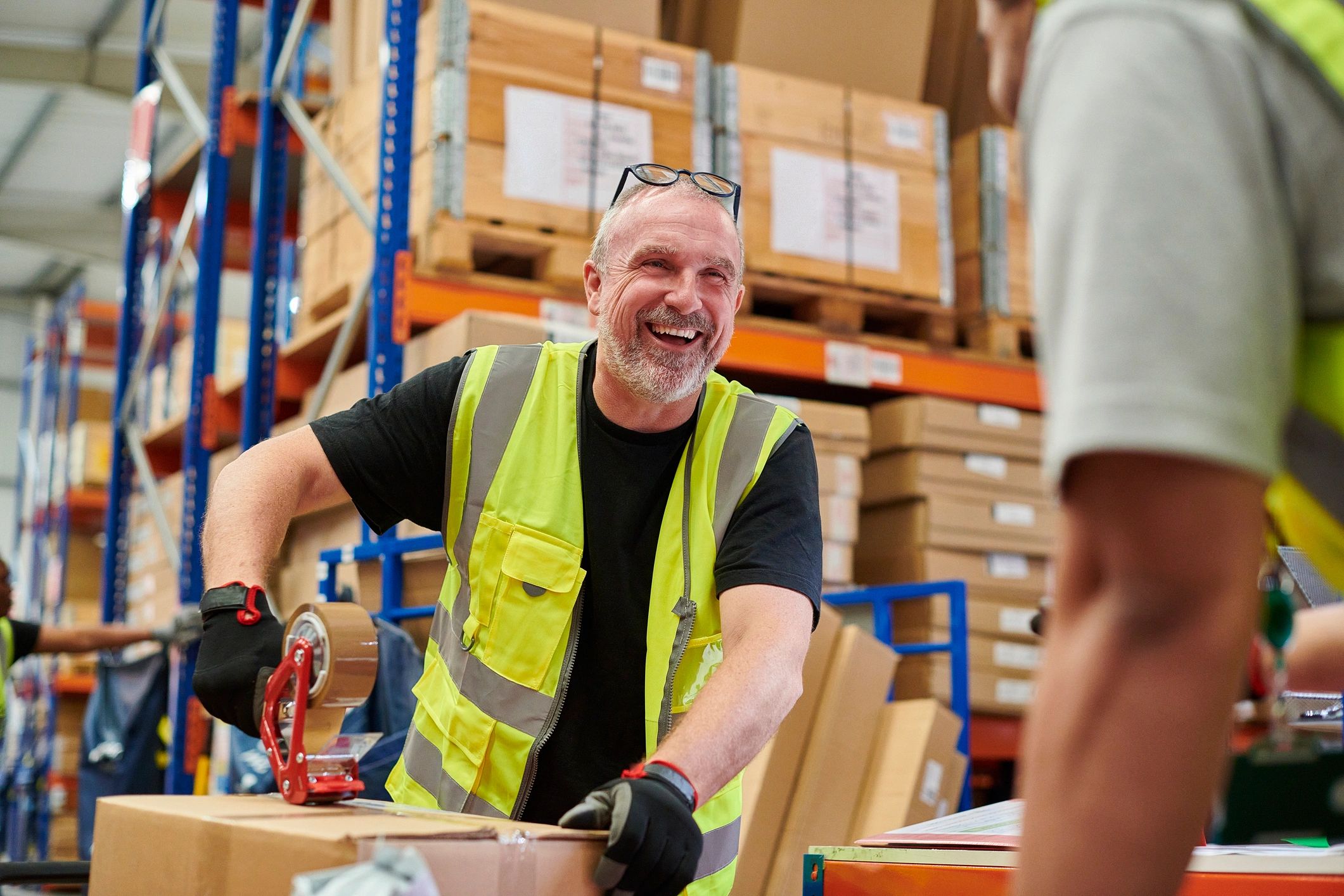
Packing is exactly what it sounds like — placing the picked items into appropriate packaging, adding any inserts or documentation, sealing the package, and labelling it for dispatch.
Together, these two steps form the core of order fulfilment. Everything else — receiving stock, storing it, dispatching it — supports this central process.
What Happens Before and After Pick & Pack?
Pick and pack sits in the middle of a broader fulfilment workflow:
Before: Your stock arrives at the fulfilment centre. It's checked in, counted, and stored in a designated location — in our case, a dedicated storage column assigned to your account.
During: When an order comes in (from Shopify, Etsy, Amazon, or wherever you sell), the pick and pack process begins. Items are picked from storage, packed carefully, and prepared for collection.
After: The packed order is handed to a courier for delivery. Tracking information is generated and, depending on your setup, shared with your customer automatically.
What Should Pick & Pack Cost?
Pricing varies significantly between providers, and it's worth understanding what you're actually paying for.
Some fulfilment companies charge separately for storage, pick fees, pack fees, packaging materials, and handling. By the time you add everything up, the cost per order can be much higher than the headline rate suggests.
At ProFulfil, standard single-item pick and pack is £1.75 per order, with £0.25 for each additional item. UK storage is £9 per month for one tote, £14 for two totes or £19 for a full column. A £30 one-off account setup includes the initial goods-in. Shipping is charged separately; when ProFulfil supplies a physical-fulfilment shipping label, the current shipping uplift is 30%.
When comparing providers, always ask for a total cost per order — not just the pick fee.
What About Packaging?
There are two main options when it comes to packaging:
Your own branded packaging. If you've invested in custom boxes, tissue paper, or branded tape, a good fulfilment partner will use it. This keeps your unboxing experience consistent and protects the brand identity you've built.
The fulfilment centre's packaging. If you'd prefer not to manage your own packaging supply, most providers (including ProFulfil) can supply appropriate materials at cost.
The right choice depends on your brand and your margins. For businesses where the unboxing experience matters — gifts, premium products, subscription boxes — branded packaging is usually worth it. For more functional products, standard packaging is perfectly fine.
What Platforms Does Pick & Pack Work With?
ProFulfil's connector framework is designed to support the major e-commerce platforms, but each connection is enabled only after its implementation and provider certification are complete. The current roadmap includes:
- ProFulfil Store — native and included for every seller
- Shopify — implementation complete; provider certification remains pending
- Etsy, Amazon, eBay, TikTok Shop and WooCommerce — in development and not represented as live
- Independent stores — available through approved Open API or import workflows where configured
Once an approved connection is configured, orders can be consolidated into the ProFulfil workflow. Until then, the application keeps the connection visibly disabled rather than implying that a provider integration is live.
Is Pick & Pack Right for Your Business?
Pick and pack fulfilment makes sense for most product-based e-commerce businesses once they reach a consistent order volume. At ProFulfil, we work with growing online sellers who are ready to hand off their fulfilment and focus on running their business.
Once you're finding that fulfilment is taking up meaningful time each week, the case for outsourcing becomes very clear.
If you're not sure whether it's the right time, get in touch. We'll give you an honest answer based on your actual situation — not a sales pitch.
Explore Topics
Written by
ProFulfil Team
Content creator and writer sharing insights and stories.